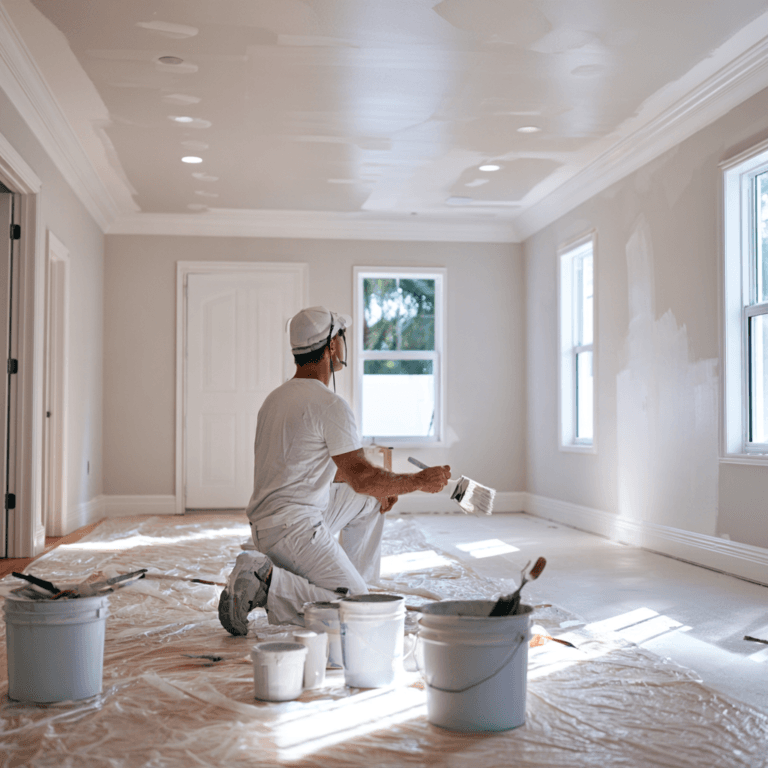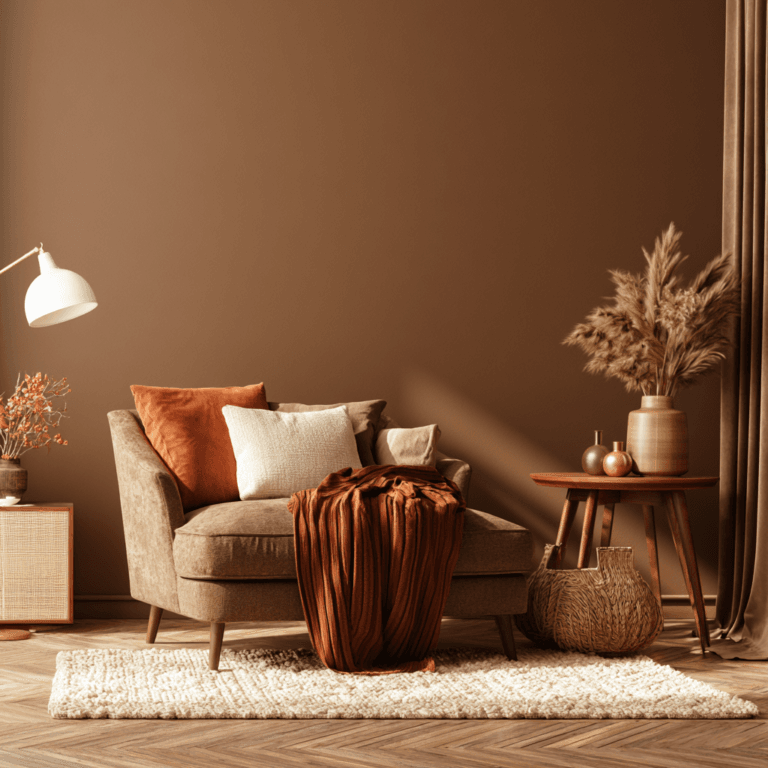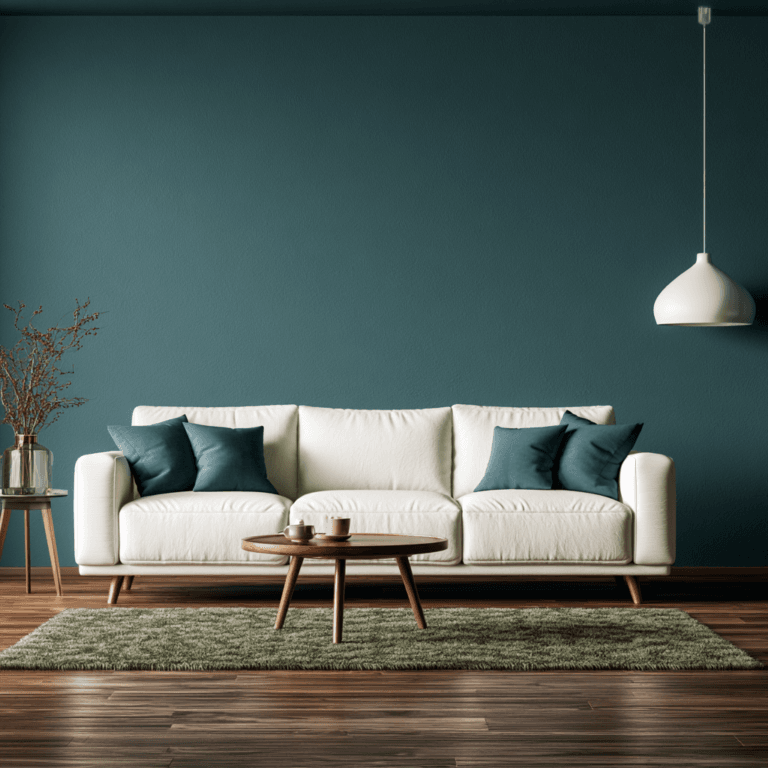

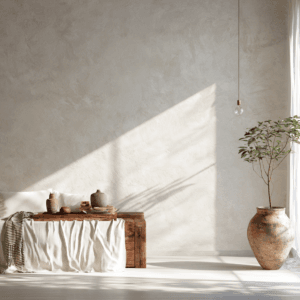
Choosing between smooth wall finishes and custom textures depends on your style, lighting, and how much imperfection you want to hide. A smooth, skim-coated finish feels modern and clean, but it needs strong prep because flaws show fast. Textures like orange peel, knockdown, or Level 3 add depth and better conceal seams. Heavier finishes hide more, while smoother walls look refined and pair easily with any decor, with more details ahead.
What Is Wall Texture?
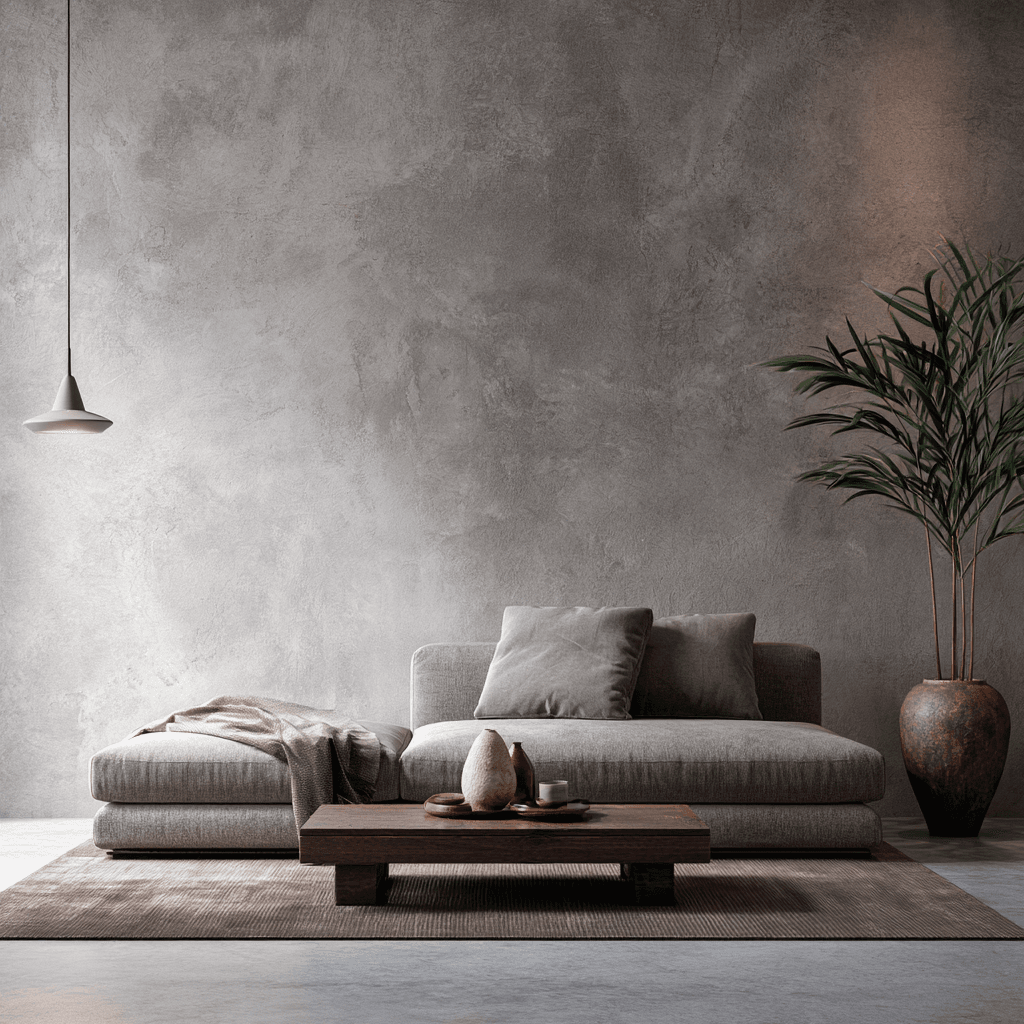
Wall texture is the finish builders apply to drywall to create a more polished, finished look while helping conceal tape lines, seams, and minor imperfections. You can use it to shape how your Wall feels visually, adding depth as light and shadow move across the Texture. From nearly smooth to more rugged, five common levels offer different coverage and style. For a sleek, high-end look, Level 5 uses skim coats for an almost seamless surface, though it won’t hide flaws well. For most spaces, Level 3 gives you a light, modern texture that’s durable, easy to paint, and effective at masking small imperfections. Your choice balances aesthetics, performance, and how boldly you want your interior to stand out.
Smooth Wall Texture Explained
If you want a cleaner, more refined look than a lightly textured finish can offer, consider smooth wall texture. This skim-coated approach uses a thin layer of joint compound, then careful sanding, to deliver a seamless, polished surface. Because it’s so uniform, it reflects light evenly and pairs beautifully with minimalist, modern, and contemporary wall finishes. You’ll want strong prep, though, since seams and drywall flaws can show through fast. After proper leveling, the surface becomes paint-friendly and accepts virtually any color without visual noise. For a truly high-end smooth wall texture, you’ll need skilled labor to float and refine the compound consistently across the wall.
Level 5 Wall Texture
Level 5 wall texture gives you a seamless, high-end finish that feels crisp, polished, and intentionally refined. You’ll get there with precise skim coats and careful floating and sanding, so the wall reads perfectly even under strong light. Because every flaw shows, you’ll want a skilled finish and a close inspection before paint.
Seamless High-End Finish
For a truly polished, high-end look, Level 5 delivers the most seamless wall finish available. This Level 5 wall texture creates an entirely smooth finish that makes your paint color the focal point and supports both classic and contemporary interiors. You’ll notice the seamless high-end finish feels refined, minimalist, and intentionally elevated. Because it hides almost nothing, your walls need exceptional prep, so the result depends on skilled craftsmanship and an even base. Extra labor, including additional skim coats and careful floating and sanding, helps you achieve that pristine surface. Since it takes more time and expertise than forgiving options, it’s usually the most expensive choice. For innovation with understated luxury, Level 5 gives your space a crisp, gallery-like presence.
Skim Coat Precision
Perfecting a Level 5 wall texture starts with one or more extra skim coats of joint compound, then carefully floating the surface as flat as possible. You need skim coat precision at every step, because even slight seam lines or uneven drywall planes can telegraph through the finish. Sand thoroughly between coats to keep the wall true, then inspect it under strong light before the final smoothing pass. This process creates a sleek, high-end surface that suits both modern and upscale traditional spaces. Achieving smooth walls takes skill, patience, and a near-perfect substrate, so don’t expect it to hide imperfections. Level 5 costs more, but you’re paying for a seamless, innovative look that delivers refined impact.
Orange Peel Wall Texture
Orange peel wall texture gives your walls a subtle, stippled finish that resembles the dimpled skin of an orange. Orange peel texture adds subtle depth and character without dominating the room. Contractors usually spray joint compound, then roll it to form the soft bumps, so you can fine-tune the effect from barely there to more pronounced. This finish catches light gently, adding shadow play that feels modern and polished. It also helps conceal minor drywall flaws, making it a smart choice when you want a refined look with practical benefits. In hallways and entryways, it reads clean, stylish, and current while still feeling approachable. If you want innovation with restraint, this texture delivers.
Knockdown Wall Texture
Knockdown wall texture gives you a more dimensional finish than a flat wall without pushing into heavy, plaster-like territory. You apply joint compound, then use a trowel to create an irregular, smashed pattern while it’s still wet. This process leaves subtle peaks and valleys that catch light and shadow, adding depth and visual interest to your textured walls. If you want a finish that feels refined yet inventive, knockdown wall texture works well in both traditional and contemporary spaces. You can also adjust the intensity by changing how long you work the compound and how heavily you apply it. Compared with smoother finishes, it helps hide minor seams and flaws, so your walls look polished without demanding perfection or reading overly rough.
Level 3, Level 2, and Level 1 Wall Textures
If you’re comparing wall finishes, Level 3, Level 2, and Level 1 textures give you three distinct ways to balance style and practicality. A Level 3 wall texture gives you the most common look: a light orange-peel stipple that adds subtle depth, hides minor imperfections, and still paints easily. A Level 2 wall texture goes bolder, with rougher, stucco-like movement, deeper peaks and valleys, and stronger light-and-shadow drama; methods like Monterey drag, California drag, and knockdown create that effect. A Level 1 wall texture is the heaviest, using swirls, zigzags, or older finishes to mask defects, but it’s harder to paint and repair cleanly. Lighting can shift how each finish reads, so you’ll see texture differently across the same wall.
How to Choose the Right Wall Texture
Start with your priorities: a Level 5 skim finish delivers the smoothest, most upscale look, but it’s also the most labor-intensive and expensive option; Level 3 offers the most practical balance, with a light orange-peel depth that’s durable and easy to paint.
- Check lighting: bright natural light will reveal every texture and shape in your overall look.
- Match style: sleek spaces suit smoother walls; Southwestern or Mission homes often need richer textures.
- Hide flaws: choose Level 3 or Level 2 for a thin layer that masks seams without going fully smooth.
- Plan maintenance: smoother walls are easier to repair, while heavy finishes can be hard to match.
Frequently Asked Questions
Are Textured Walls Trending?
Yes, textured walls are trending, and you can use them to add depth, warmth, and personality fast. You’ll notice textured paint trends, modern plaster looks, and pattern wall options showing up in design-forward homes. Subtle limewash, orange peel, and skim-coated finishes give you variation without feeling heavy. If you want a space that feels current and custom, texture’s a smart, stylish choice.
How to Match Wall Texture?
Match wall texture like a fingerprint: first identify the level, then test it under your lighting. For true texture matching, sample the same compound and tool—roller, trowel, or drag—on a hidden spot. Keep drywall prep consistent, then check color consistency after it cures. Finally, refine paint sheen for seamless blending, so the finish feels intentional, modern, and beautifully unified across every wall.
What Are the Differences Between Smooth and Textured Walls?
Smooth walls give you a sleek, seamless look, while textured walls add depth, shadow, and visual movement. In a Paint finish comparison, smooth surfaces reflect light evenly, and textures create a stronger lighting impact with subtle dimension. You’ll also notice maintenance differences: smooth walls show flaws more easily but are easy to clean, while textured walls hide imperfections better but can trap dust and need a bit more care.
Is Orange Peel Wall Texture Outdated?
No, orange peel wall texture isn’t outdated when used well. It can look like a subtle, modern finish that hides flaws while adding depth. Durability matters, especially in busy rooms, and regional style can shape how it feels. Choose current paint colors, balanced lighting, and consistent application. For maintenance, dust gently and touch up damaged spots to keep the texture refined, innovative, and client-ready.
Conclusion
Choosing between smooth wall finishes and custom textures depends on the mood you want your space to set. A sleek Level 5 finish can feel calm and refined, while orange peel or knockdown adds depth and character. Think about light, maintenance, and your overall design goals. When your walls work with your style, every room feels more polished, more personal, more you. Your walls shouldn’t just stand there—they should speak.