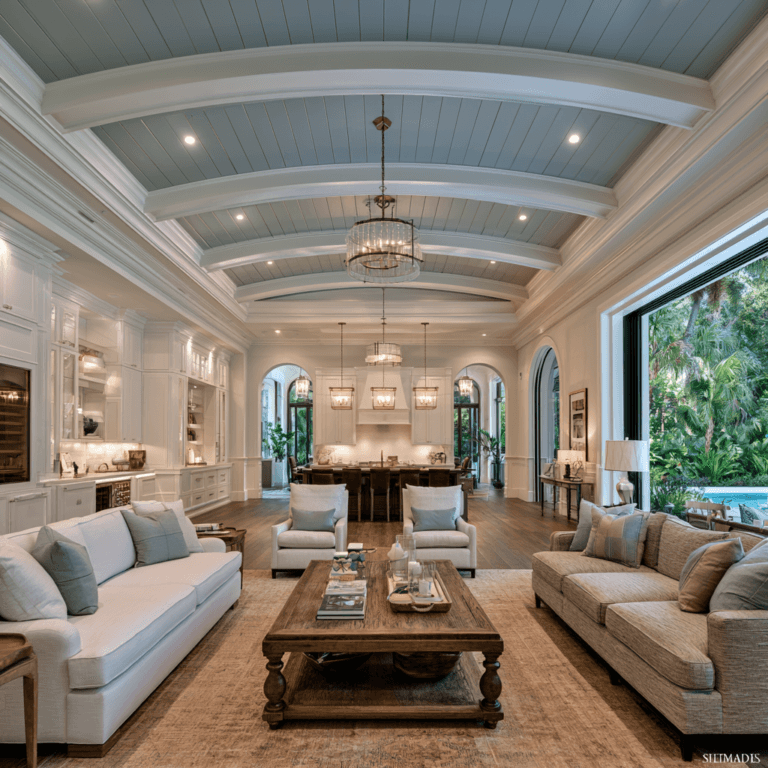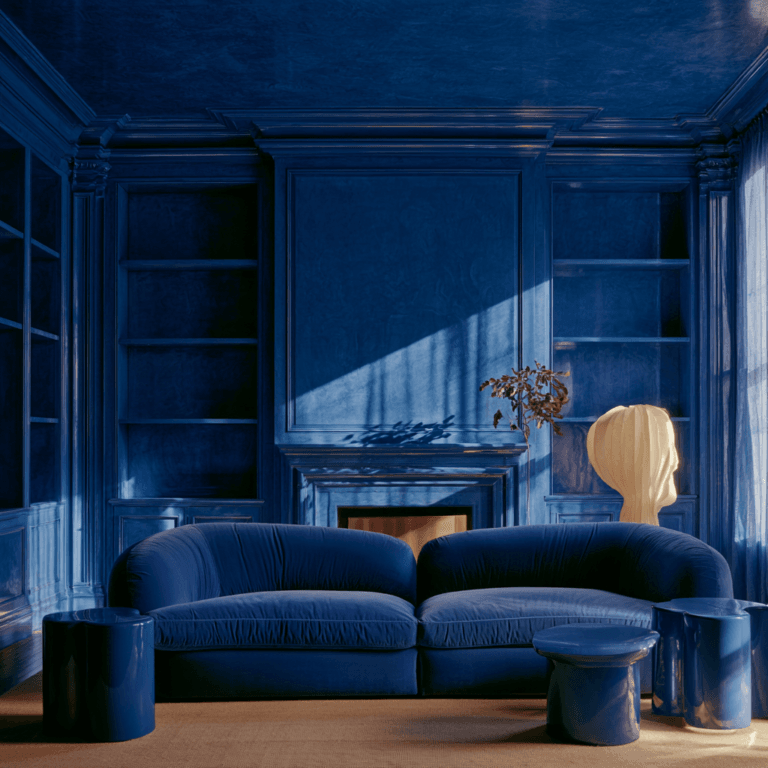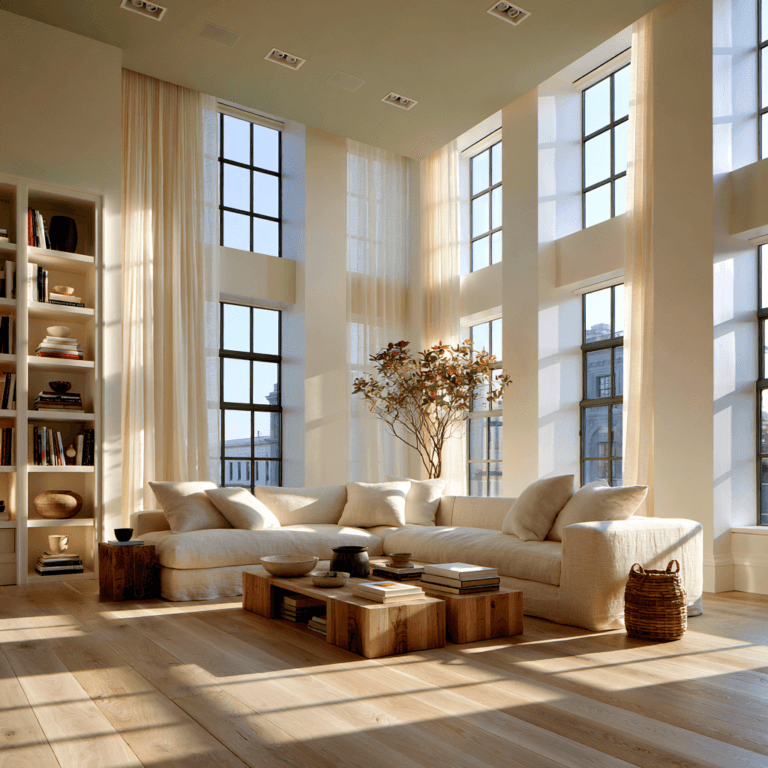

Elevate any room by choosing the wall that naturally draws the eye, then giving it a color or texture that feels intentional, not random. Deep navy, emerald, or charcoal adds drama, while coral, yellow, or soft nude brings warmth and light. Wallpaper, wood slats, tile, or 3D panels add depth without a full remodel. Extend the finish onto the ceiling edge for a tailored, enveloping look, and you’ll soon see how the details transform the whole space.
Pick the Best Accent Wall
Which wall should get the spotlight? When you create an accent wall, choose the surface that naturally draws attention, then let it act like a stage backdrop. Pick one that contrasts with the surrounding walls and suits your room’s light and scale: rich navy or emerald can deepen a snug space, while softer tones feel calm and refined. If your ceilings run low, vertical stripes can lift them visually. For a lively twist, try geometric stencils or removable wallpaper to keep the room dynamic without a permanent leap. Dark charcoal or deep green, paired with white trim, creates crisp drama. For a bold, futuristic statement, a metallic finish or framed paneling can become the room’s smartest talking piece.
Choose an Accent Wall Color
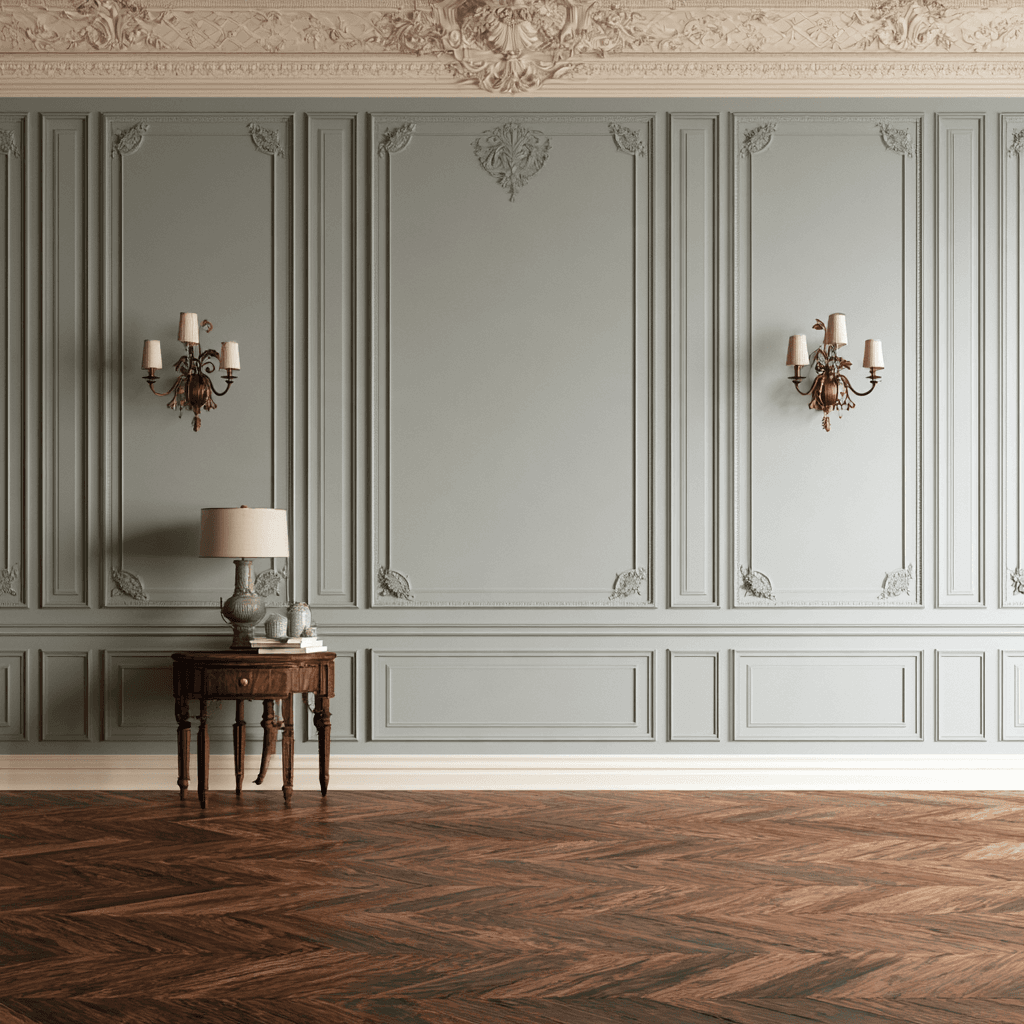
When you choose your accent wall color, let it sing against the surrounding walls while still fitting the room’s light and scale, so the shade feels bold rather than heavy. For drama, choose navy, emerald, charcoal, or deep green; for a warmer spark, try coral, yellow, red, or azure, or soften the look with a nude tone. Also test the color beside your furnishings and finishes, since the same hue can shift from warm to cool in a different setting.
Bold Color Choices
A bold accent wall can instantly set the mood, whether you want a cozy, dramatic retreat with rich navy or lush emerald, or a more energizing lift with lively yellows and reds. You can shape the room’s character with an Accent color that feels intentional, not accidental. Test the hue against your furnishings and lighting so the wall harmonizes with what’s already there. For a happy, modern spark, choose sunshine yellow with coral or bold azure accents. For a moodier statement, choose deep green or charcoal grey, then balance it with crisp white details. Prefer softer boldness? A warm nude tone can still command attention without overwhelming the other walls, giving your space a refined, innovative edge.
Light and Room Size
Light and room size should shape your accent wall choice as much as color, because a deep navy or emerald can feel sumptuous in a bright, generous space but make a dim, tight room feel even smaller. You’ll get better results when you compare accent walls to your existing palette and daylight, not just swatches.
- In snug rooms, choose soft nude tones that warm without crowding.
- In sunlit spaces, try joyful yellow, coral, or bold azure for lift.
- In larger rooms, deep hues stay balanced and cinematic.
- Test samples on the wall, morning and evening.
- Use white trim or bright surroundings to keep dark color dramatic, not closed in.
Coordinating With Decor
The best accent wall color doesn’t just look good on its own—it should play well with the furniture, textiles, and art already in the room. Test shades against what you own, then choose a hue that contrasts nearby walls and enriches key pieces. Rich navy or emerald can deepen a cozy room, while vivid coral or yellow adds kinetic energy. In brighter spaces, bold azure can sharpen the mood; in darker ones, charcoal or deep green grounds the palette and looks striking with white trim. For flexibility, soft beige or neutral nude tones still create a focal point without clashing. For a bolder statement, metallic finishes and paneling can frame art. Try stripes or stencils when solids feel too plain.
Try Wallpaper for Easy Pattern
Want an instant accent wall without the long-term commitment of paint? Wallpaper gives you pattern, color, and personality in one swift move, turning your wall into a designed moment. Start by cleaning, priming, and repairing any cracks so the adhesive grips cleanly and seams lie flat. Then measure carefully, cut each strip, apply adhesive, align the edges, and smooth out air bubbles.
- bold geometric prints
- subtle woven textures
- removable statement motifs
- seamless edge matching
- easy future swaps
Choose a look that echoes your style, whether you want a dramatic focal point or a softer, tactile backdrop. Many modern papers peel away or replace easily, so you can refresh the room later without regret.
Add Depth With 3D Panels
3D panels give your wall striking depth, with texture catching the light and casting shifting shadows across the surface. Their sculpted forms turn a plain stretch into a modern feature wall that feels bold from every angle. Choose a design that suits your room, and you’ll add instant drama without repainting.
Texture And Shadow
When a wall needs more than color to make an impression, 3D panels add instant texture and depth by turning light into part of the design. Choose geometric or ribbed profiles to choreograph shadow and create a refined pulse across the room.
- Place sconces to rake across the raised edges.
- Aim track lights to sharpen each contour.
- Let a floor lamp graze the surface for softer contrast.
- Use neutral tones for a quiet, upscale effect.
- Pair the panels with a contrasting finish to intensify the relief.
Keep every seam straight and aligned; even slight drift can warp the shadow pattern. With careful lighting and precise installation, your wall becomes a sculptural canvas that feels modern, tailored, and unmistakably fresh.
Modern Feature Wall
Building on texture and shadow, a modern feature wall can turn a plain surface into the room’s boldest statement with 3D wall panels. Add real depth with geometric, wave, or stacked profiles that catch light and create contrast, even with minimal decor. On a large wall, choose panels scaled to the space so the pattern feels intentional, not busy. Install each piece level, align the edges carefully, then caulk and paint to blend the texture into one seamless surface. A soft accent color can amplify the effect, but a neutral finish lets the relief lead. With the right modern feature wall, you’ll create a refined backdrop that feels fresh, architectural, and unmistakably current.
Warm up the Room With Wood
Wood instantly warms an accent wall, adding texture, depth, and a cozy, natural feel that can soften an entire room. Transform one wall with warm slats or reclaimed wood panels and let it become the room’s tactile centerpiece. Choose rustic boards for character or sleek modern planks for a cleaner, forward-looking finish. Run them vertically to lift the eye or horizontally to widen the space.
- Rich grain that catches light
- A focal wall with quiet drama
- Rustic charm or modern polish
- Warmth concentrated, not overwhelming
- Secure, flush installation for lasting impact
Measure carefully first, then fasten the paneling with nails or construction adhesive so every line stays crisp, stable, and beautifully seamless.
Bring in Texture With Stone
Bring rich, earthy character to your accent wall with slate or granite, whose varied surfaces catch the light and add instant depth. For the same sculpted look at a lower price, manufactured stone can deliver a striking finish without the higher price tag. Either way, stone turns a flat surface into a dramatic, grounded, timeless focal point.
Natural Stone Appeal
Natural stone brings an earthy, nature-indoors feel that can make an accent wall stand out without overwhelming the room. With natural stone accent walls, you invite slate’s smoky shifts or granite’s crisp speckling into your space, and each slab adds its own quiet drama. The wall won’t shout; it’ll glow with depth as light slips across ridges and seams.
- Cool slate tones
- Veined granite surfaces
- Honed, sleek finishes
- Rough, tactile edges
- Neutral furniture contrast
Choose a lean modern look with a polished cut, or go rougher for rustic energy. Either way, you’ll create a bold focal point that feels curated, tactile, and unmistakably fresh. Professional installation helps the stone sit securely and look seamless.
Manufactured Stone Option
If you love the grounded look of stone but want a lighter, more budget-friendly option, manufactured stone brings that same layered texture to an accent wall with less structural strain. You can echo slate or granite without the weight, and your walls are a great canvas for that sculpted, built-in feel. Install it with proper prep and thin-set adhesive so each panel bonds cleanly and stays in place. Because it’s easier to handle than natural stone, you can transform entryways, fireplaces, or dining rooms with less hassle. Choose a profile and color range that complements your wood, trim, and paint. The result feels rich, dimensional, and quietly innovative.
Use Tiles for a Sleek Finish
When paint alone isn’t enough, tile adds a crisp, tailored edge to an accent wall, with ceramic, porcelain, or natural stone offering a sleek finish that stands up to wear far better than paint. Shape the mood with tiles that glow, soften, or add tactile depth, then align grout and sheen with nearby trim for a seamless, intentional statement. Measure the wall carefully, map every cut, and keep lines true for a polished result.
- Choose durable tiles for lasting impact
- Mix glossy, matte, or textured finishes
- Match grout color to surrounding details
- Plan edges before you set anything
- Hire a pro for stone or brick-style installs
Create Drama With Dark Tones
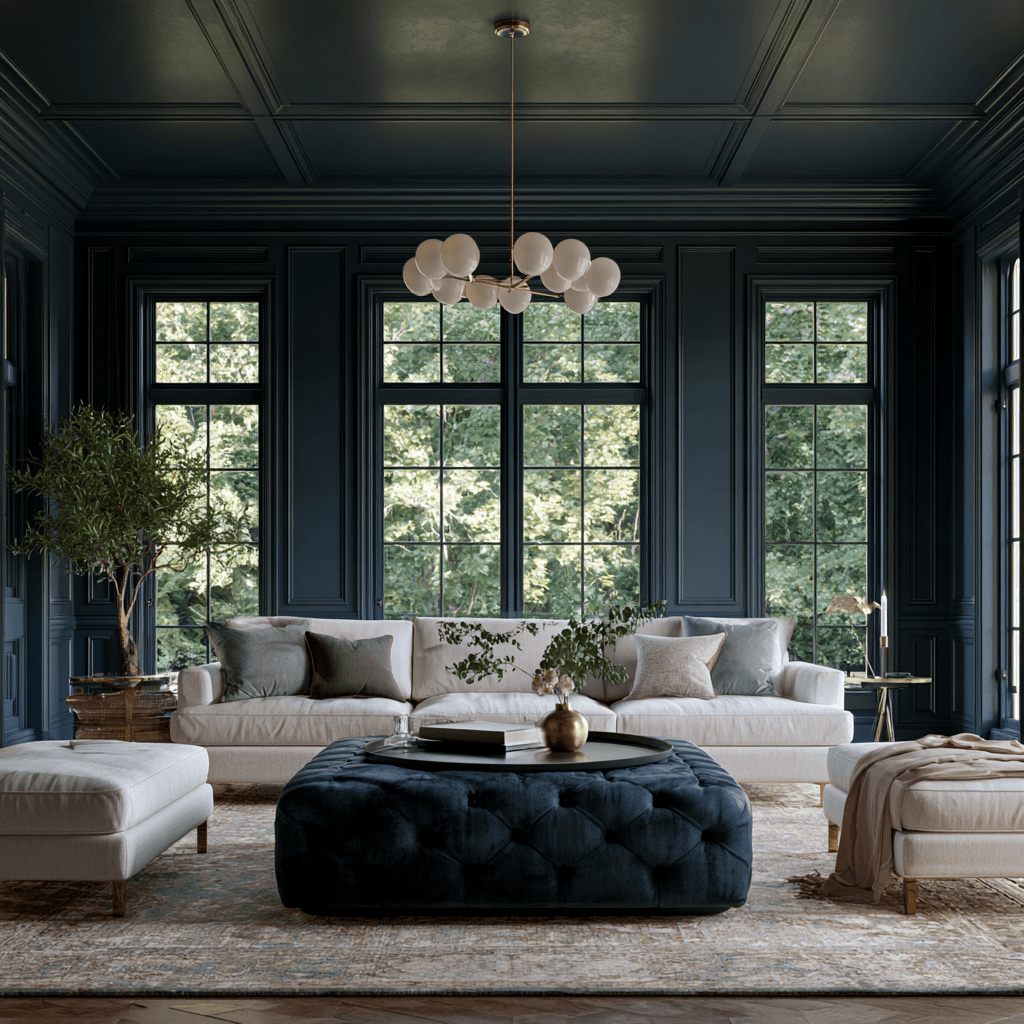
After tile’s crisp structure, dark paint can add even more drama to an accent wall, especially shades like charcoal grey or deep green that create a striking focal point beside crisp white trim. Use these tones to anchor the room, adding depth and a cocooning warmth that feels deliberate, not heavy. When your space already has bright elements, like a white fireplace or molding, the contrast makes the darker surface feel refined and architectural. Keep surrounding walls lighter to keep the composition open. If you’re extending the effect to ceiling detail, carry the same palette through the accent zone for a seamless, designed statement. Test swatches in daylight and evening, and you’ll reveal endless possibilities.
Brighten the Room With Bold Color
Bold color can instantly lift an accent wall, and shades like sunshine yellow bring a bright, upbeat pop that makes the whole room feel more alive. On accent walls, you can go bolder with lively coral, strong red, or even rich navy for a look that’s dramatic yet still full of energy. Test each hue against your furnishings and lighting so the contrast feels intentional, not jarring. Clean white trim, a mantel, or crisp built-ins can sharpen the effect and help the color glow.
- Sunshine yellow for instant brightness
- Navy for depth with freshness
- Emerald for lush sophistication
- Coral for a lively bedroom boost
- White accents to frame the color
Extend the Look to the Ceiling
Take that accent color a step higher and let it creep onto the ceiling edge for an intentional, enveloping look. Extend the wall visually by wrapping the shade, or a lighter tint, along the border line to create a sleek frame that pulls the eye upward. Use clean masking tape and a 2–3 inch cut-in to keep the progression crisp around crown molding, chair rails, or textured walls. If you paint the ceiling the same tone, choose matte or low-sheen paint to reduce glare and keep the finish velvety. In smaller rooms, soften the hue to avoid a lower feel; in brighter spaces, go deeper for visual intrigue. Prime stains first, roll evenly, and let it dry completely before peeling the tape.
Frequently Asked Questions
How Do I Choose Paint Sheen for an Accent Wall?
Choose a sheen that matches the drama you want and the wall’s condition. Matte or eggshell adds richer depth, while satin adds a subtle glow and stands up better to wear. For bold contrast, test samples in your room’s light before deciding. Higher sheen reflects more, so use it sparingly for a sleek, innovative accent that feels intentional, polished, and alive.
Should Accent Walls Work With Existing Furniture Colors?
Absolutely—your accent wall should sing with your existing furniture colors like a symphony! Let Color Harmony guide every choice so your wall enhances—not fights—your sofa, rugs, and art. Pick a shade that echoes a dominant tone or introduces a bold, complementary contrast. Balance undertones and saturation to create a room that feels intentional, modern, and visually electrifying without overwhelming the space.
Can I Use Accent Paint in Small Rooms Without Closing Them In?
Yes—you can use accent paint in a small room without making it feel boxed in. Choose a light, luminous hue, then let open lighting balance the color so it breathes instead of crowding. Paint one wall, a niche, or a ceiling edge to create depth, not weight. Keep trim crisp and mirrors reflective, and the room will feel tailored, inventive, and surprisingly expansive rather than closed in.
How Do I Transition an Accent Wall Into Adjacent Spaces?
You can turn the accent wall into adjacent spaces by softening its edge and echoing its color like a whisper that races through the home. Pull one hue from the wall into trim, art, or textiles, then fade into a lighter neutral for a Seamless Blend. You’ll create movement without a hard stop, and the room will feel larger, smarter, and beautifully connected in one elegant sweep.
What Trim Details Best Complement Ceiling Accent Painting?
For the best balance, choose crisp Crown Molding, clean baseboards, and slender casing that frame the ceiling without stealing focus. Add stepped trim or a simple picture rail for a more architectural edge. Keep profiles refined and paint them in a slightly softer sheen so your ceiling accent feels intentional, not busy. That contrast lets the color hover overhead like a curated design feature, not a distraction.
Conclusion
When you choose the right accent wall or carry the design onto the ceiling, you give your room an instant lift that feels almost magical. You can soften a space with wallpaper, add texture with panels or wood, or make a bold statement with rich color and sleek tile. With one thoughtful change, you turn an ordinary room into a showstopper, and it’ll feel like your home just learned how to breathe in style.