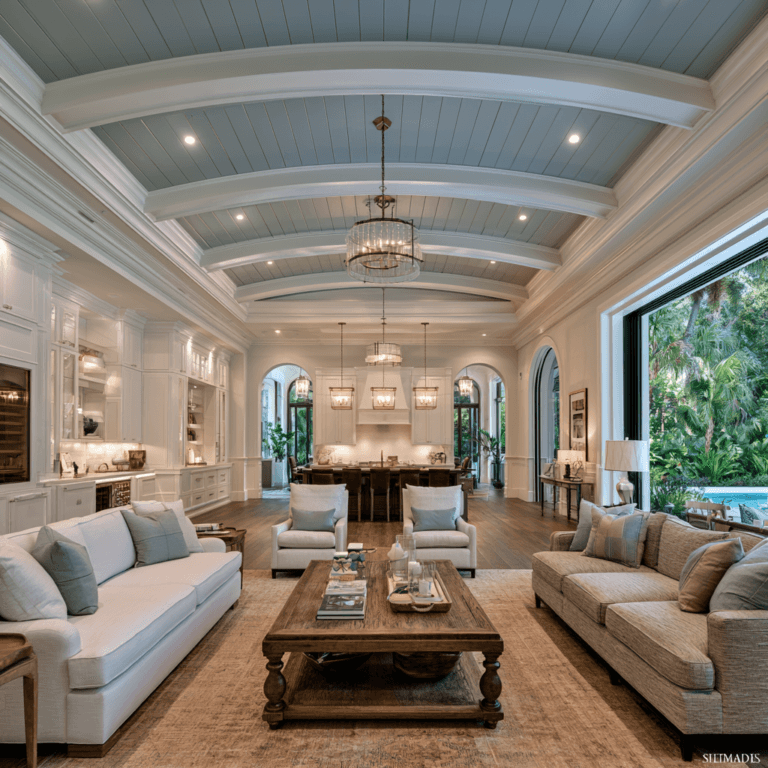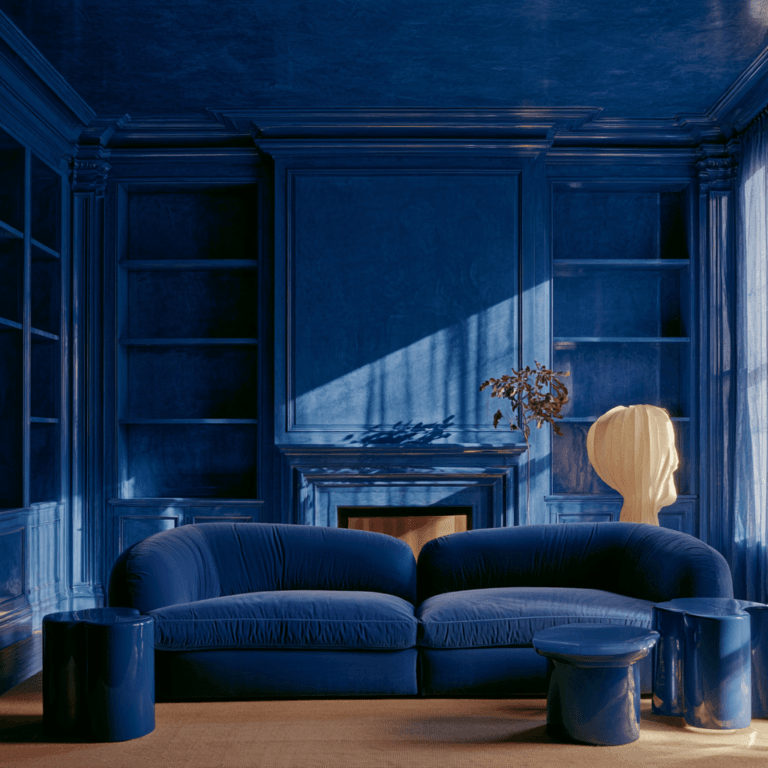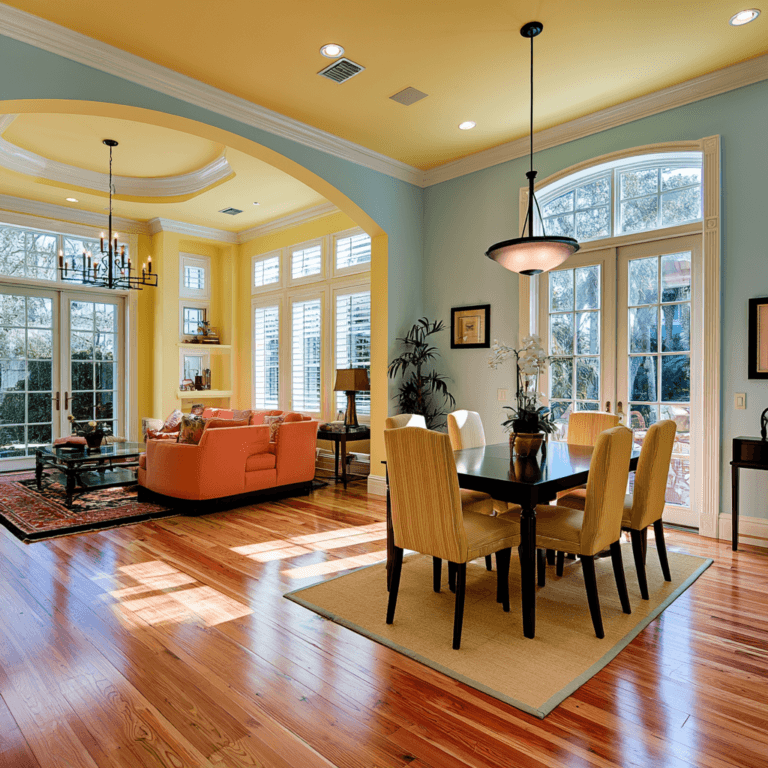

Start by mapping your daylight from morning to dusk, noting glare, shadow shifts, and “dead zones.” Then match paint to exposure: warm clay or soft apricot in cool north light, crisp blues or true grays in strong south light, gentle pastels for east mornings, and calm neutrals that won’t flare in west sunsets. Use high-LRV whites and soft neutrals to bounce light, and choose matte for a velvety wash or satin for extra lift. Up next: ceilings, trim, and one key wall that spread brightness further.
Map Natural Light in Each Room First
Before you pick up a paint fan deck, take a day to map how sunlight actually moves through each room—morning to dusk—so you’re choosing color based on real conditions, not guesswork. Walk the space every few hours and note where brightness pools, where shadows linger, and when glare hits. Snap quick phone photos from the same corners to build a clean visual log. This room-by-room planning helps you treat light like data, not vibes. Track the window size, nearby trees, and reflective surfaces such as floors, mirrors, and adjacent buildings. Mark “high-impact” walls that catch the most light and “dead zones” that need lift. When you map natural light first, you’ll pick finishes, sheen, and placement with modern, daylight-maximizing intent.
Choose Paint Colors for North, South, East, West Light
Where does your light come from—cool, warm, or constantly shifting? Treat direction like your room’s “color filter,” then pick hues that play to it, not against it. With north light, you’ll want shades that counter the bluish cast and keep faces, fabrics, and art looking alive. With south light, you can lean into bolder, cleaner colors because the illumination stays strong for most of the day.
- North-facing: warm clay, soft apricot, muted terracotta
- South-facing: crisp saturated blues, modern greens, true grays
- East-facing: morning-bright pastels, then grounded midtones
- West-facing: haze-proof neutrals that don’t flare at sunset
- Mixed exposure: adaptable “chameleon” taupes, balanced mauves
Use High-LRV Whites and Soft Neutrals to Brighten
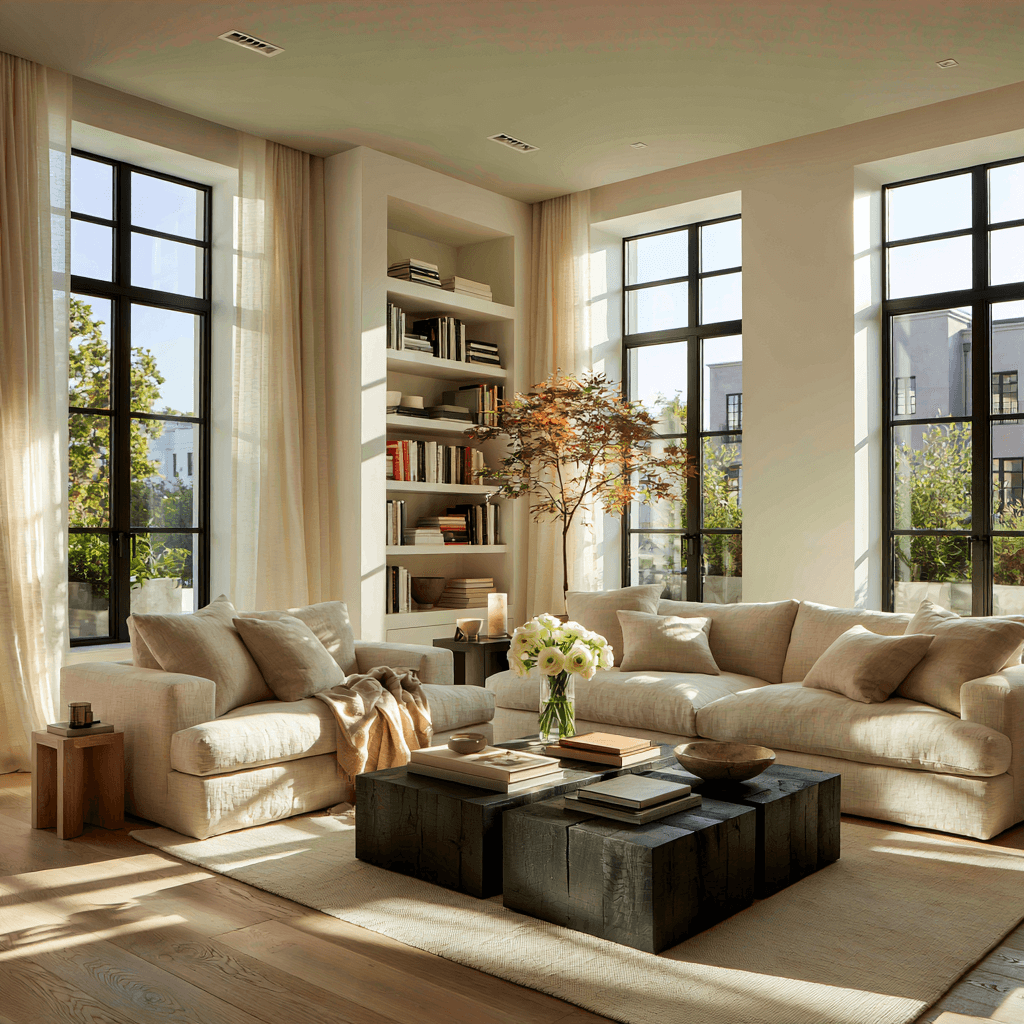
Once you’ve matched color to your room’s light direction, you can amplify that daylight with high-LRV whites and soft neutrals that act like a built-in reflector. Choose a clean base that bounces illumination deeper into the space, then fine-tune undertones to keep it modern, not sterile.
Test bright white versus soft ivory on multiple walls; bright white reads crisp and gallery-like, while soft ivory adds a sunlit glow that flatters wood and textiles. If you want contrast without stealing light, compare cool gray versus warm beige: cool gray feels architectural and tech-forward, warm beige feels calmer and more biophilic. Keep chroma low and LRV high, and your room will look bigger, lighter, and more intentional from morning to dusk.
Pick a Paint Finish That Reflects Daylight (Matte vs Satin)
After you’ve picked a high-LRV shade, your finish choice controls how that daylight actually reads on the wall. Matte gives you a soft, modern wash that masks glare and imperfections, while satin bounces more light for a crisp, fresh lift. You’ll get the best results by matching the sheen to the room—matte for low-traffic living areas, satin where you want extra reflectivity and easy wipe-downs.
Matte Finish Light Effects
- Choose warm whites to prevent a flat, chalky cast
- Use ultra-clean prep; matte shows stains, not glare
- Pair with bright trim for crisp edges and contrast
- Aim it at broad walls that catch morning light
- Add layered lighting so evenings match the daytime vibe
You’ll get airy, sophisticated light without harsh hotspots.
Satin Finish Reflectivity
A satin finish acts like a soft-focus lens for your walls, bouncing daylight around the room without turning it into a mirror. You’ll notice a subtle glow that lifts shadowy corners and makes color read cleaner, especially with modern warm whites and nuanced greiges trending right now.
Compared with matte, satin’s higher reflectivity gives you more daylight “carry” across the space, so windows feel larger, and ceilings seem a touch higher. To keep it looking intentional, pair it with smooth prep: patch, sand, and prime to keep the sheen even. Test a large swatch from morning to late afternoon, because satin shifts with sun angles. You get a brighter, crisper look without the glare of high-gloss.
Choosing Finish By Room
Often, the fastest way to make daylight work harder is to match your finish to the room’s real-life traffic, texture, and light exposure: choose matte where you want velvety depth and flaw-hiding softness, and reach for satin where you need a cleaner, brighter bounce that holds up to hands, humidity, and wipe-downs. For choosing finish with smart room: lighting coordination, treat sheen like a light-tuning tool, not an afterthought. Use matte on imperfect plaster, big walls, and ceiling planes to keep glare low and color modern. Use satin on trim and high-touch zones to amplify sunbeams and boost cleanability. Try this room-by-room playbook:
- Living room: matte walls, satin trim
- Kitchen: satin walls, semi-gloss cabinets
- Bath: satin everywhere
- Hallways: satin for scuffs
- Bedrooms: matte serenity
Paint Ceilings, Trim, and Key Walls to Spread Light
Paint your ceiling a crisp, modern white to bounce sunlight deeper into the room and lift the whole space. Keep trim a shade brighter than your walls to sharpen edges and make windows read bigger and cleaner. Then choose one key wall—often the one opposite the main window—and go slightly lighter or warmer to push light across the room without washing everything out.
Ceiling Whites For Bounce
Ever wonder why a room with big windows can still feel a little dim? Your ceiling may be absorbing light rather than reflecting it. A modern “ceiling white” isn’t just bright—it’s tuned for bounce psychology, pushing daylight back down and smoothing shadows across the room. Choose a white with a subtle undertone that matches your daylight (cool north light, warm south light), then dial in the right ceiling sheen to amplify reflectance without spotlighting flaws.
- Pick a clean white with a hint of gray for crisp, contemporary depth
- Use flat or matte to hide texture while still reflecting broadly
- Try soft white for warmer, sunlit rooms
- Sample at different times to track shifts in daylight
- Paint the ceiling first for a seamless glow
Trim And Accent Wall Strategies
Once your ceiling starts bouncing daylight back into the room, the next big gains come from how you treat trim and one or two “hero” walls. Keep the trim crisp but not stark: a warm off-white trim with a higher sheen creates a subtle, light frame that sharpens edges and pushes brightness outward. If your walls are pale, match trim to the wall and shift sheen instead for a seamless, gallery-clean glow.
For a hero wall, go tonal, not heavy. Choose a sun-friendly tint—misty sage, airy clay, or diluted navy—in a light-reflective finish. Place it opposite windows to catch and recirculate light. Nail the accent pairing by repeating that hue in textiles or art, so the room feels intentional, not patchy.
Avoid Paint Choices That Make Rooms Look Darker
- Skip near-black navy, forest, and aubergine on large walls
- Avoid ultra-matte finishes that absorb sun instead of bouncing it
- Don’t pair cool grays with north-facing light; they turn steely
- Limit bold jewel tones to accents, niches, or built-ins
- Test swatches morning-to-evening; LEDs can skew undertones
If you want depth, choose lighter tints with complex undertones and a soft eggshell sheen.
Frequently Asked Questions
How Do I Brighten a Windowless Living Room Without Adding Windows?
You can brighten a windowless living room by layering light: high-output LED panels, wall washers, and backlit mirrors that bounce illumination. Use brightening strategies like oversized reflective art, glass/acrylic furniture, and pale rugs to lift shadows. For paint sheen considerations, choose satin on walls and semi-gloss on trim to amplify glow without harsh glare. Add smart bulbs with tunable white so you’ll shift from crisp daytime to warm evening.
Do Low-Voc Paints Affect Brightness or Light Reflection Indoors?
Generally, low-VOC paints won’t dim a room—your brightness retention depends far more on sheen and pigment than emissions. As a visual, moving from matte to semi-gloss can boost perceived reflectance by roughly 10–20%, making surfaces “throw” more light. For low voc implications, choose high-LRV formulas, titanium-dioxide-rich whites, and a washable satin finish. You’ll keep walls cleaner longer, which preserves reflectivity in real-world use, too.
How Does Paint Color Interact With LED Bulb Color Temperature?
Paint color and LED color temperature shape what you see: warm LEDs (2700–3000K) enrich creams, terracotta, and woods, while cool LEDs (4000–6500K) sharpen whites, grays, and blues. You’ll notice brightness vs temperature—cooler light can feel brighter yet harsher on warm paints. Test swatches under your actual bulbs. Also watch sheen impact: satin/semigloss boost sparkle and bounce, matte softens and hides shifts.
Should I Repaint Before or After Installing New Flooring and Curtains?
Repaint after you install new flooring, then hang curtains last; that repaint timing lets you fine-tune undertones and sheen to match what you actually see. You’ll avoid scuffs, splatter, and mismatched whites. Use flooring coordination as your anchor: pull the dominant wood or tile tone, then choose a wall color that’s 1–2 steps lighter for a modern, airy look. Test swatches under your new lighting.
How Often Should Sunlit Rooms Be Repainted to Maintain Brightness?
You should repaint a sunlit room about every 5–7 years, or sooner if glare, UV, and scuffs dull the finish. Set brighten schedules by checking walls each spring: if whites look creamy, colors read flat, or sheen patches appear, it’s time. For smarter color maintenance, choose modern washable matte or low-sheen acrylics with UV-resistant pigments, then spot-touch high-traffic zones yearly to keep the room crisp.
Conclusion
Once you’ve mapped your daylight and matched paint to each exposure, your rooms can feel like they’ve doubled in window count. Lean on high-LRV whites and soft greiges to bounce sunbeams around like mirrors, then choose a satin finish where you want that extra glow. Hit ceilings, trim, and one key wall to push light deeper. Skip muddy undertones and heavy darks—unless you’re trying to shrink your space overnight.