
This year, you can refresh your home with warm earth tones, soft sun-washed neutrals, and tailored two-tone walls. Try color-drenching walls, trim, doors, and ceilings in smoky olive, mineral blue, or warm clay for a cohesive look. For bolder impact, turn the ceiling into a focal point with terracotta, navy, or textured plaster effects. Low-sheen finishes, natural wood, stone, and sculptural lighting make each palette feel elevated. Explore how each trend works room by room.
Warm Earth-Tone Interior Paint Colors
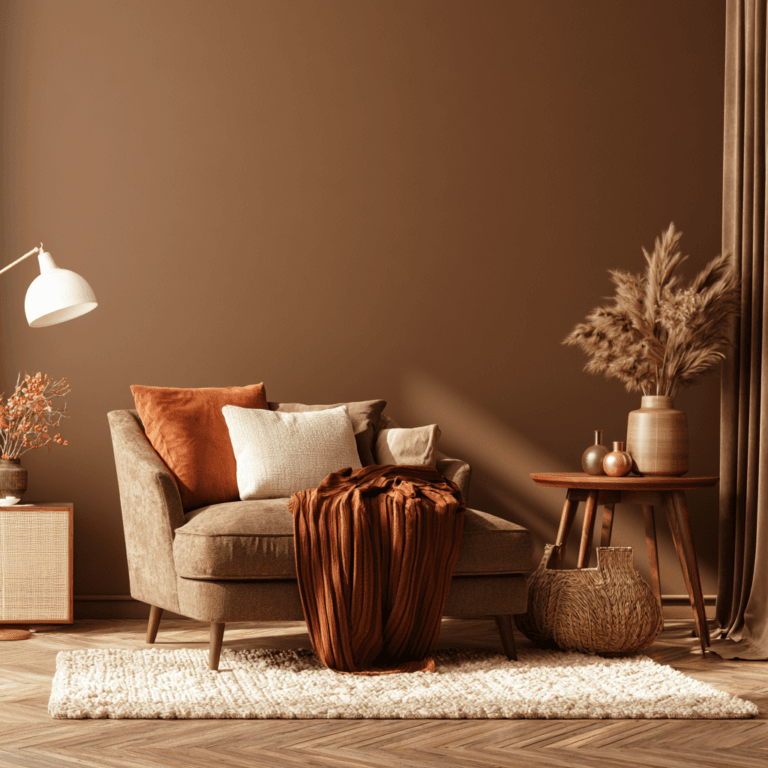
Warm earth-tone paint colors are redefining interiors with a grounded, quietly luxurious feel. You can use cinnamon, terracotta, ochre, umber, and muted olive to create rooms that feel curated rather than conventional. These hues pair especially well with sculptural lighting, natural stone, brushed metal, and richly grained wood, giving your home a tactile, design-forward edge.
For a contemporary application, introduce earthy accent walls behind a bed, dining banquette, or built-in shelving. Clay inspired palettes offer nuanced variation, from sunbaked sienna to dusty rose-brown, so you can layer color without creating visual noise. Choose matte or mineral-wash finishes to amplify depth and movement across the surface. You’ll achieve a polished environment that feels connected to materiality, craftsmanship, and the evolving preference for enduring, sensory interiors.
Soft Neutrals for Brighter-Looking Rooms
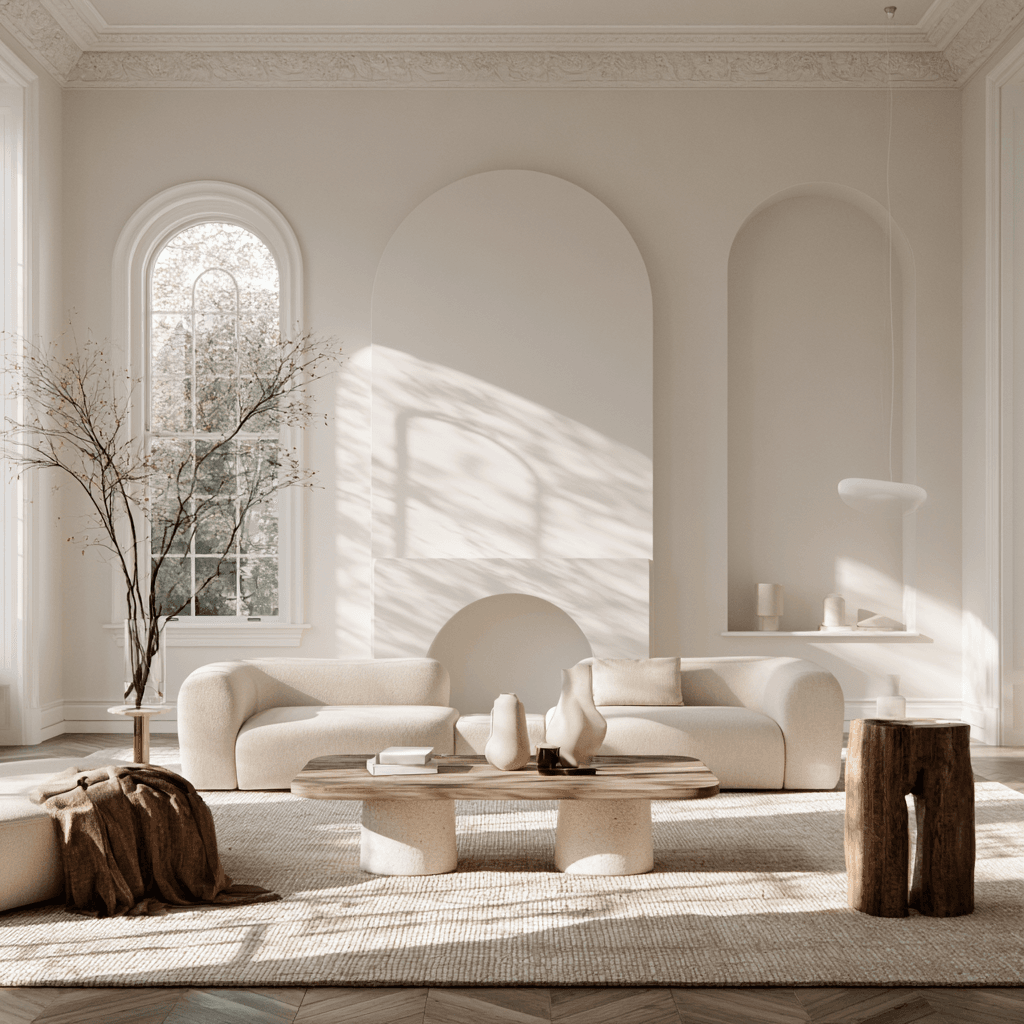
Soft neutrals are becoming the go-to choice for rooms that need more light without the starkness of pure white. You can use creamy alabaster, misty greige, or pale mushroom to create brighter looking rooms with a refined, sun-washed finish. These shades update warm earth tone interior paint colors, giving your home an airy, quietly luxurious mood.
- Feel calm as daylight softens every surface.
- Enjoy a polished backdrop for sculptural furniture.
- Create warmth without sacrificing visual clarity.
- Make compact spaces feel open and restorative.
For a forward-looking result, choose a low-sheen finish that diffuses light rather than reflecting it harshly. Soft neutrals also complement color drenching and painted statement ceilings, while offering a sophisticated contrast to two tone interior walls elsewhere in your home. You’ll achieve atmosphere, dimension, and enduring flexibility.
Two-Tone Interior Walls for Added Depth
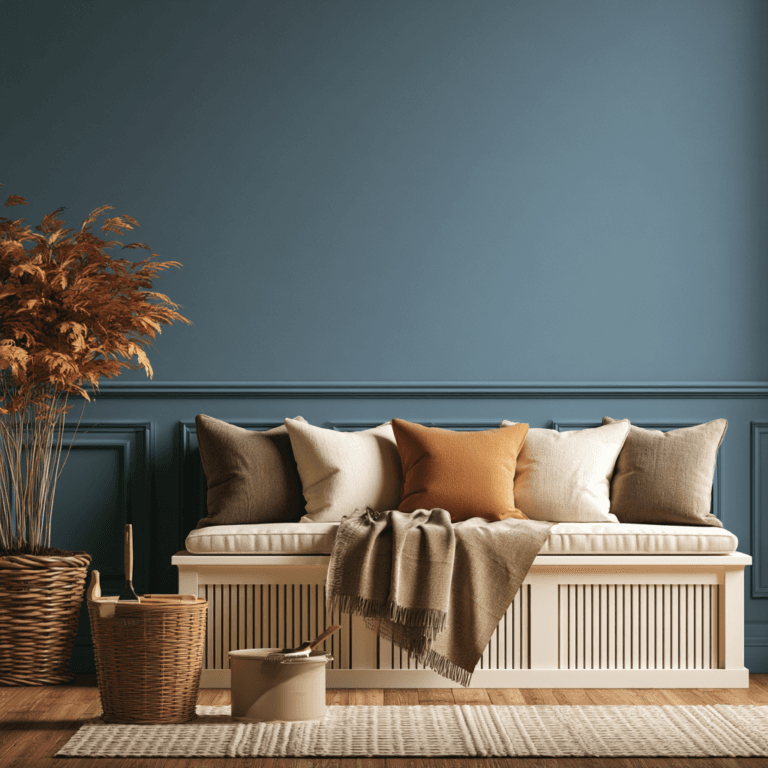
Two-tone interior walls bring architectural depth to otherwise simple rooms, using contrast to define proportion, highlight ceiling height, or ground a furnishing arrangement. You can place a deeper shade below a chair rail or paint the lower third of the wall in a saturated mineral hue to create a tailored, contemporary base.
For a more directional result, pair a warm off-white upper field with charcoal, oxblood, or muted olive below. These two tone accents frame sofas, beds, and dining pieces without requiring additional millwork. Keep the dividing line crisp, aligned with existing architectural elements, and finished in a consistent sheen. Depth enhancing walls work especially well in entryways, powder rooms, and compact dining spaces, where intentional contrast can make the layout feel more dimensional and considered.
Color Drenching for Cohesive Interior Rooms
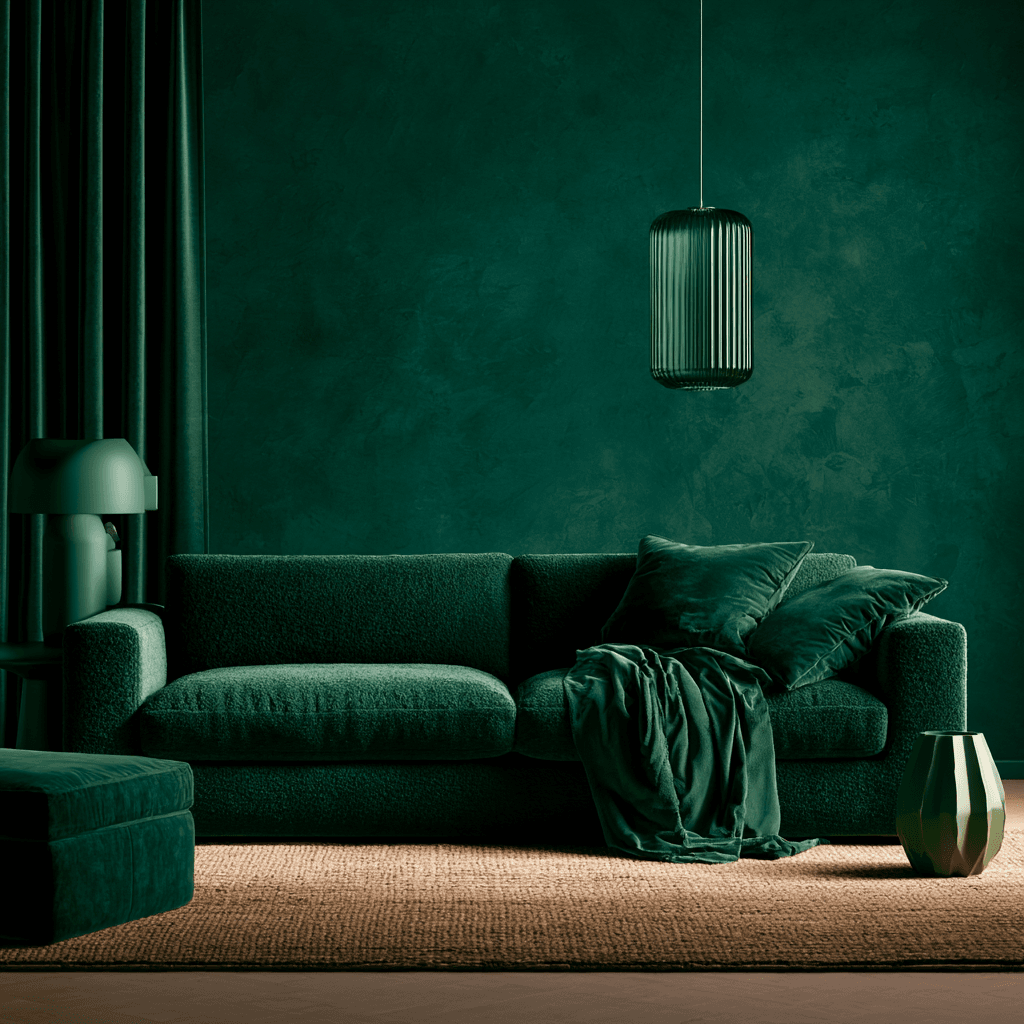
Color drenching creates a polished, immersive room by carrying one hue across the walls, trim, doors, and often the ceiling. You’ll eliminate visual breaks, allowing architectural details to feel intentional rather than segmented. Choose nuanced, timeless palettes—smoky olive, mineral blue, or warm clay—for depth that evolves with daylight. Layer cozy textures in linen, bouclé, and natural wood so the finish feels livable, not flat.
- You’ll feel enveloped by a calm, gallery-like atmosphere.
- Deep tones can create a convincing ceiling height illusion.
- Tonal continuity makes compact rooms feel more composed.
- Sculptural furnishings and bold accents gain dramatic clarity.
For innovation without excess, select one complex shade in multiple sheens: matte on broad surfaces, satin on millwork. This restrained contrast keeps your room dimensional, sophisticated, and emotionally resonant.
Painted Statement Ceilings for Visual Impact
Why leave the ceiling neutral when it can become the room’s most arresting design element? A painted ceiling introduces dimension, directs the eye upward, and gives even restrained interiors a more editorial finish. You can choose inky navy for intimacy, soft terracotta for warmth, or a saturated jewel tone to sharpen a contemporary scheme.
For added depth, explore Statement ceiling textures such as limewash, subtle plaster effects, or tonal striping. These finishes catch changing light and create a tailored sense of movement. Painted ceiling beams offer another high-impact option: match them to the ceiling for a seamless architectural envelope, or contrast them in matte black, oxblood, or deep green. Keep walls quieter when you want the overhead treatment to lead, and use a low-sheen finish to maintain sophisticated visual richness.
Frequently Asked Questions
How Often Should Interior Walls Be Repainted?
You should repaint interior walls every five to seven years, though high-traffic spaces may need attention every three to four years. Your repaint cycles depend on sunlight, humidity, pets, children, and surface wear. Prioritize paint maintenance by cleaning marks promptly and addressing chips before they spread. Premium, washable finishes extend wall longevity while supporting a polished, design-forward palette. Refresh accent walls sooner when you’re updating color stories or introducing innovative finishes.
Which Paint Finish Works Best in High-Traffic Areas?
High-traffic finishes act as armor for your busiest rooms: choose satin or semi-gloss. Satin delivers a refined, contemporary sheen with strong scrub resistance, making it ideal for hallways, family rooms, and children’s spaces. Semi-gloss offers superior wipeability for doors, trim, kitchens, and baths. In a durability comparison, satin balances elegance and resilience, while semi-gloss withstands moisture, fingerprints, and repeated cleaning. You’ll get lasting performance without sacrificing a polished, design-forward finish.
Are Low-Voc Paints Worth the Investment?
Yes, low-VOC paints are worth the investment, especially when you prioritize healthier indoor air and refined, durable finishes. Don’t let low VOC myths suggest they lack color depth, coverage, or performance; leading formulas now deliver sophisticated pigments and washable resilience. Your cost benefit comes from reduced odor, fewer airborne chemicals, and a more comfortable renovation process. Choose certified options with advanced stain resistance for high-use rooms and long-term design value.
How Do I Calculate How Much Paint I Need?
One gallon typically covers 350–400 square feet, so precise measuring prevents costly waste. To master how to estimate paint coverage, multiply each wall’s width by height, subtract doors and windows, then divide by the label’s coverage rate. Plan for two coats on bold, trend-forward shades. When selecting primer type, match it to drywall, stains, or glossy surfaces; tinted primer can sharpen saturated, design-led color results.
Should I Hire a Professional Interior Painter?
Should I hire a professional interior painter? Yes, if you want impeccably prepared surfaces, refined finishes, and efficient execution. In the Professional painter vs DIY decision, choose a specialist for high ceilings, intricate trim, bold color transitions, textured walls, or premium paints. You’ll avoid visible lap marks, uneven sheen, and costly corrections. DIY works well for simple, low-risk rooms when you have time, quality tools, and confidence in precise preparation.
Conclusion
This year’s paint trends let you shape rooms that feel warmer, brighter, deeper, and more personal. You can ground your home in sunbaked earth tones, lift it with soft neutrals, define it with two-tone contrast, envelop it in color drenching, or draw eyes upward with a statement ceiling. Choose hues that flatter your light, layer finishes that enhance texture, and create interiors that don’t just follow trends—they reflect your distinctive point of view.