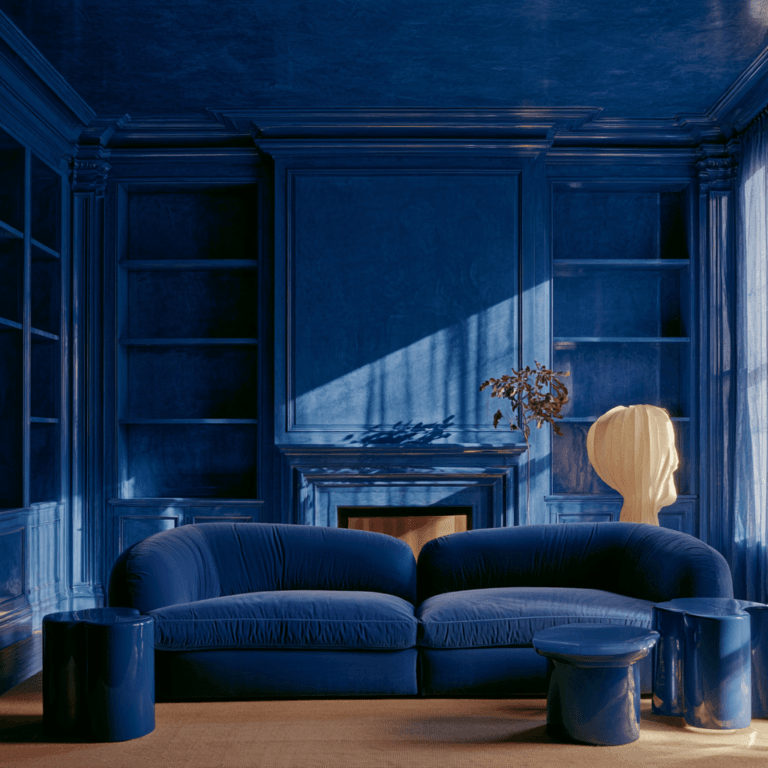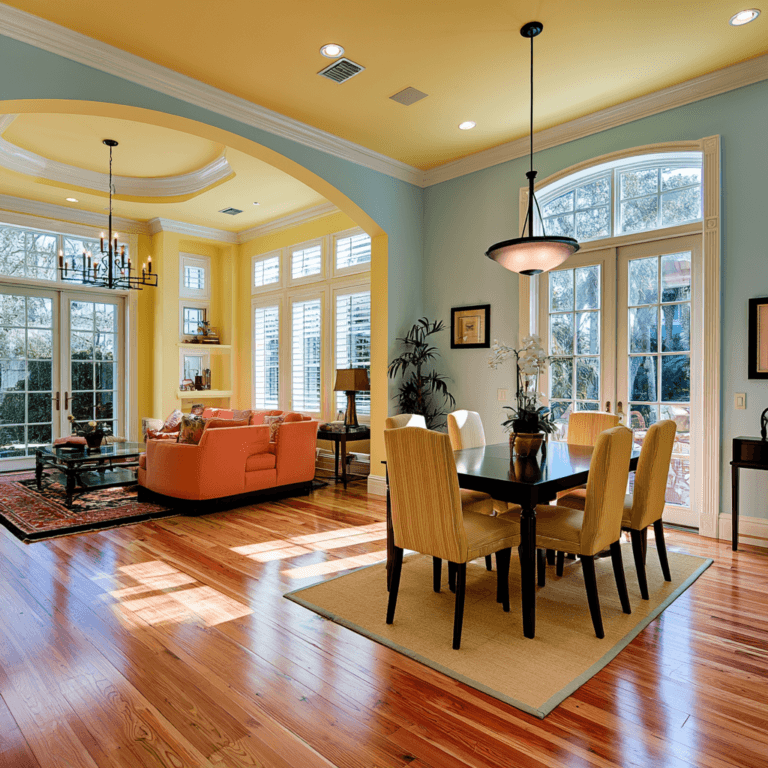

In an open-concept Naples home, you can treat the ceiling as a fifth wall to unify kitchen, dining, and living areas without breaking sightlines. Choose a white or lighter version of your wall color to lift height and reflect coastal daylight, or use soft gray to signal a divide between zones. Test samples overhead from morning through evening, then choose ultra-flat paint to minimize glare. Below, you’ll find color, sheen, and lighting strategies for a more composed ceiling.
Why Ceiling Paint Matters in Open-Concept Homes
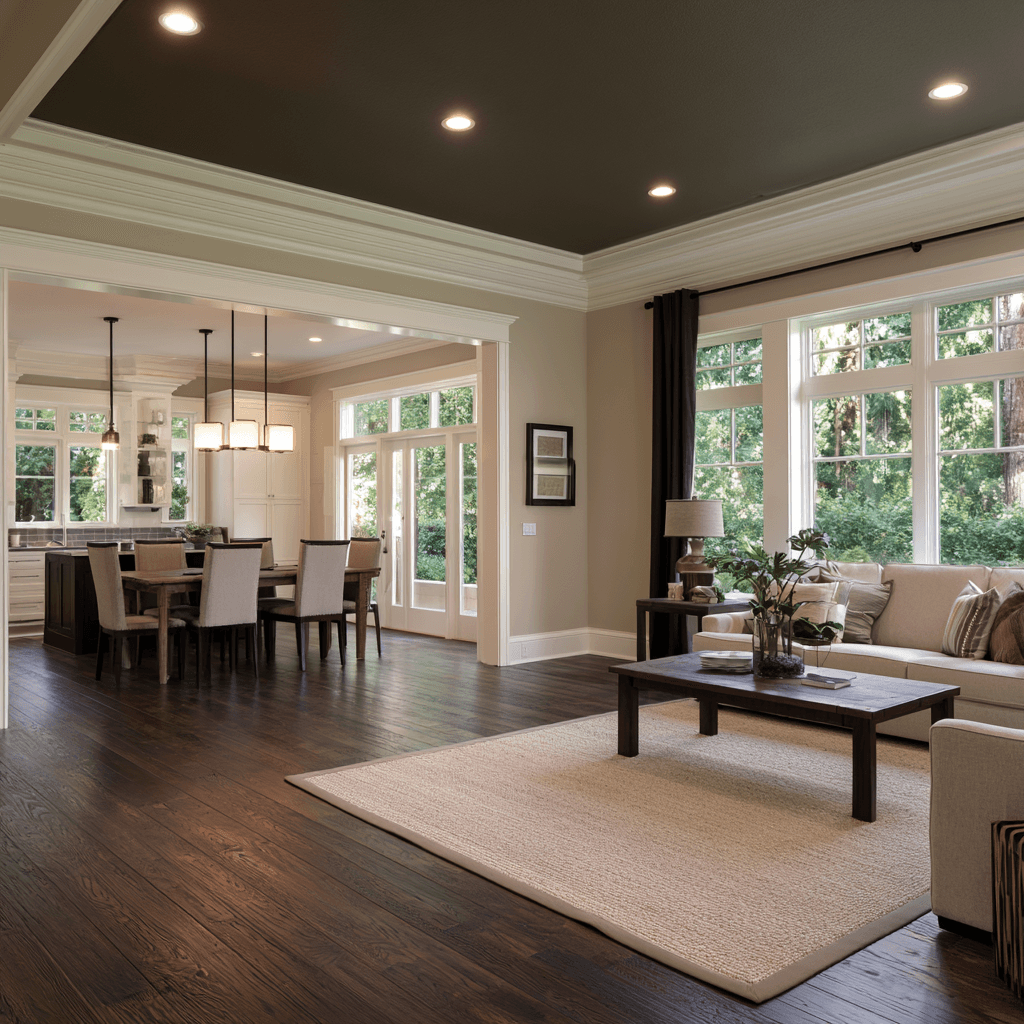
In an open-concept home, the ceiling does more than cap the room—it connects living, dining, and kitchen zones beneath one continuous visual plane. Treat it as a fifth wall, and you’ll shape how the entire layout feels from every vantage point. A carefully selected ceiling color can unify distinct functions without interrupting the architectural flow, especially when its undertone echoes adjacent walls. Lighter hues, including thoughtfully specified white paint, can amplify the sense of volume while helping the home feel brighter and more expansive. For long, uninterrupted sightlines, choose an ultra-flat waterborne formula. It minimizes glare, conceals minor surface irregularities, and supports a flawless finish that looks intentionally refined rather than merely painted. Sample your selection across the plan before committing, since each zone’s illumination can alter the color’s character.
Match Ceiling Paint Colors to Light and Height
Light and ceiling height should guide every color decision overhead. Match your ceiling paint’s undertone to the walls so the architecture feels intentional and continuous. A white ceiling remains a refined blank-canvas baseline, but it isn’t your only option. In lofty Naples interiors, a lighter version of your wall color can visually lift the plane and amplify openness without feeling stark.
Evaluate daylight exposure, room orientation, and evening fixtures before selecting a shade. Color shifts dramatically from sunlit hours to layered interior illumination, especially across varying ceiling height conditions. Test several large samples directly overhead and revisit them throughout the day to confirm brightness, warmth, and depth. For a polished contemporary result, choose ultra-flat waterborne ceiling paint. Its low-glare surface diffuses light evenly and keeps minor imperfections discreet, giving your fifth wall a smooth, elevated finish.
Use Ceiling Paint Colors to Define Living Zones
Ceiling color can quietly organize an open-concept plan, giving each function its own identity without interrupting sightlines. You might use a brighter white above the living area, then shift to a restrained light gray over the dining zone to signal a refined transitional point. For cohesive ceiling designs, choose shades that relate to your wall palette—often a lighter variant of each wall color preserves volume while subtly distinguishing use. Test every ceiling paint option overhead, where Naples daylight and evening fixtures can reveal unexpected undertones. Select lighting-aware colors so each zone remains intentional from morning through entertaining hours. Finish with ultra-flat waterborne ceiling paint to soften imperfections, reduce glare, and create a crisp, premium boundary. This approach lets you choreograph circulation and atmosphere without sacrificing the seamless openness that makes contemporary plans feel so expansive.
Choose White Ceiling Paint for Airy Rooms
In an open-concept home, you can use white ceiling paint to reflect light, visually lift the roofline, and keep the layout feeling expansive. Match its undertone to your wall color so shifting Naples daylight doesn’t create a disjointed change overhead. Sample a few whites in your space to find the brightness that best amplifies its natural light.
Expand Open Concept Spaces
When you want an open-concept Naples home to feel even more expansive, a classic white ceiling paint creates a bright, airy fifth-wall backdrop that visually lifts the entire room. It lets your sightlines travel uninterrupted, so connected living, dining, and kitchen zones feel larger without sacrificing architectural definition.
- Choose a crisp, timeless white for a clean, gallery-like overhead plane.
- Use a lighter ceiling shade to create a subtle “raise the roof” effect.
- Consider White Dove OC-17, Cloud White OC-130, or Decorator’s White OC-149.
- Test samples in morning, midday, and evening light before you commit.
When you paint the ceiling in white, you introduce a refined spatial strategy, not merely a neutral finish. The result feels current, coastal, and intentionally open, supporting innovative furnishings, sculptural lighting, and Naples’ luminous indoor-outdoor lifestyle.
Match Undertones With Walls
For an airy, cohesive open-concept room, align your ceiling white’s undertone with the walls so the fifth wall recedes gracefully instead of creating a sharp visual break. You’ll create a polished envelope that feels intentional from kitchen to living area, even as the palette shifts across connected zones. Start with white as your ceiling baseline: it expands perceived volume and gives your wall color a refined, gallery-like backdrop. Benjamin Moore White Dove (OC-17) offers a clean, adaptable choice, while Cloud White (OC-130) and Decorator’s White (OC-149) deliver similarly seamless flow. Don’t select Paint from a chip alone. Sample your exact wall-and-ceiling pairing on large boards, then observe it throughout the day. This small design test reveals whether undertones stay harmonious, ensuring your ceiling remains expansive, contemporary, and quietly architectural.
Maximize Naples Natural Light
Naples’ abundant daylight gives a white ceiling the power to make an open-concept room feel taller, lighter, and more fluid from one zone to the next. A bright fifth wall reflects illumination across living, dining, and kitchen areas, creating an expansive, gallery-like atmosphere without interrupting your architectural flow.
- Choose White Dove OC-17 for a dependable, softly luminous ceiling baseline.
- Consider Cloud White OC-130 when you want warmth without sacrificing openness.
- Use Decorator’s White OC-149 for a crisper, more contemporary finish.
- Match ceiling undertones to your wall color, then sample them in actual daylight.
Make sure you assess morning, midday, and late-afternoon exposure before committing. Naples light shifts by orientation, and even a refined white can read differently overhead. The right selection lets your ceilings quietly amplify volume, continuity, and modern coastal brightness.
Choose Coastal Ceiling Colors for Naples Homes
Coastal ceiling color sets the visual temperature of a Naples home, especially where strong sun and open-plan sightlines make every changeover visible. Start with a true ceiling white, such as White Dove OC-17, to amplify daylight and make compact rooms feel more expansive. Your ceiling can make an open plan feel intentionally connected rather than treating the overhead plane as a blank canvas. For a warmer coastal effect, choose a white that echoes your wall color’s undertone, creating a seamless changeover as daylight shifts. You can also use a lighter look-up version of the wall hue for a refined monochromatic envelope that visually lifts the ceiling. Finish with premium ultra-flat waterborne paint to maximize hiding and minimize glare, preserving that crisp, poolside-bright atmosphere. Color-changing formulas also help you spot missed areas during application.
Use Gray Ceiling Paint for Depth and Balance
In an open-concept room, you can use a gray ceiling to temper the volume and give each zone a more cohesive presence. Choose undertones that echo your walls, so the fifth wall feels intentionally connected rather than visually separate. Test samples in your actual light, since gray’s character shifts from morning to evening.
Balancing Open Concept Spaces
Open-concept homes benefit from a gray ceiling that brings depth and visual balance to expansive, multi-use interiors. You can use this unique ceiling strategy to unify living, dining, and kitchen zones while introducing architectural interest overhead. Lighter grays maintain an airy scale; deeper options create a confident visual anchor in generous rooms.
- Choose Classic Gray 1548, Gray Mist 962, or Wish AF-680 for a soothing, enlarged feel.
- Use Dash of Pepper 1554, Chelsea Gray HC-168, or Ashwood Moss 1484 to define broad volumes.
- Coordinate the ceiling with adjacent wall colors for a composed, seamless shift.
- Sample paint under changing daylight before committing, since orientation reshapes gray’s appearance.
With intentional placement, your ceiling becomes a sophisticated spatial device, not merely a finish. It establishes hierarchy without interrupting sightlines or sacrificing the open plan’s flexibility.
Choosing Gray Undertones
Choosing the right gray undertone lets your ceiling add depth without disrupting the room’s flow. When choosing gray undertones, align them with your wall color’s temperature so connected zones feel seamless, not patchy, overly cool, or unexpectedly warm. For an airy, restorative Naples open-concept interior, consider lighter options such as Classic Gray 1548, Gray Mist 962, or Wish AF-680. These shades preserve a subtle raise-the-roof effect while adding refined visual interest overhead.
If you want a more sculptural fifth wall, explore Dash of Pepper 1554, Chelsea Gray HC-168, or Ashwood Moss 1484. Their deeper presence can anchor expansive living areas and create depth and balance. Gray shifts dramatically between coastal daylight and evening fixtures, so sample each candidate on the ceiling first. You’ll see how its undertone performs throughout the day before committing.
Choose the Right Ceiling Paint Sheen
The right ceiling sheen can quietly elevate an open-concept room, shaping how light moves across its broadest plane. For a polished Naples interior, let performance guide your finish selection rather than defaulting to shine. An ultra-flat waterborne ceiling paint creates a seamless visual field, helping expansive ceilings feel intentional and architecturally calm.
- Choose ultra-flat to conceal minor drywall imperfections and reduce glare.
- Select waterborne formulas for quicker drying and less spatter during application.
- Use Insl-X color-changing ceiling paint when you want visible coverage: it goes on light pink, then dries white.
- Reserve semi-gloss for exceptionally smooth ceilings; it highlights flaws more readily.
A brighter flat sheen can make your rooms read as broader and more refined without introducing distracting reflection. You’ll achieve a contemporary fifth-wall statement that feels integrated, not overly decorative, while preserving the airy flow your open layout demands.
Coordinate Ceiling Paint With Lighting and Details
When you coordinate ceiling paint with lighting and architectural details, the room’s fifth wall reads as a deliberate part of the design rather than a separate white plane. Choose an undertone that echoes your walls, preventing lighting from exposing a hard visual seam. Plan brightness around fixtures: ultra-flat waterborne paint minimizes glare and disguises minor imperfections, while semi-gloss reflects more light but demands flawless preparation.
Use ambient, task, and accent layers to shape the effect. A crisp white ceiling can amplify warm LED strips tucked into a cove, while darker tones add depth around coffered panels or tray ceilings. Test samples under your actual illumination; recessed reveals, HVAC vents, and cut-ins can shift perceived color and geometry. Color-changing paint, pink when wet and white when dry, helps you maintain even coverage. Consider acoustic finishes that absorb sound in expansive open-plan rooms.
Frequently Asked Questions
What Is the Current Trend for Painting Ceilings?
You’re seeing ceilings become intentional design surfaces rather than neutral afterthoughts. Choose soft whites or pale wall-color variations to visually lift open rooms, or introduce nuanced grays for tailored depth. Popular limewash finishes bring movement and artisanal texture, while statement ceiling murals create a curated focal point. Use ultra-flat paint to suppress glare and conceal imperfections, so your ceiling feels seamless, architectural, and distinctly modern throughout your home.
What Color Should I Paint My Open Concept House?
Choose warm neutrals as your foundation—soft sand, mushroom, creamy taupe, or pale greige—to unify an open-concept home without flattening its architecture. Add earthy tones through a deeper accent wall, built-ins, or ceiling variation for dimension and visual zoning. You’ll create a cohesive flow while giving dining, living, and kitchen areas distinct identities. Test samples throughout the day, since Naples sunlight can dramatically shift undertones and saturation.
What Are the Trends in Ceiling Design for 2026?
In 2026, you’ll see ceilings become architectural focal points just as lighting grows more layered and immersive. You can pair crisp tray profiles, reveal lines, and exposed beams with hidden LEDs or dramatic coves for depth. Textured finishes, acoustic clouds, and fabric-wrapped panels soften open-plan reverberation, while ultra-flat bright whites reduce glare. For a bolder result, you’ll use color to connect overhead planes with your home’s spatial rhythm.
What Color Is Replacing Grey in 2026?
Warm earthy neutrals are replacing gray in 2026, giving your rooms more depth, softness, and architectural warmth. You’ll see creamy off-whites, sand, taupe, soft terracotta, calming sage, and muted olive shaping refined interiors. These tones keep open spaces bright while creating stronger visual flow between walls, ceilings, and furnishings. Choose undertones that complement your natural light, and you’ll achieve a layered, forward-looking palette that doesn’t feel cold or overly neutral.
Conclusion
Your ceiling isn’t an afterthought—it’s your home’s fifth wall, shaping how every room breathes, gathers, and glows. In your Naples open-concept space, the right color can lift low lines, soften bright coastal light, or quietly define each zone without a single partition. Choose a finish that works with your lighting and architecture, then let the ceiling become a horizon overhead: subtle, intentional, and unmistakably yours.